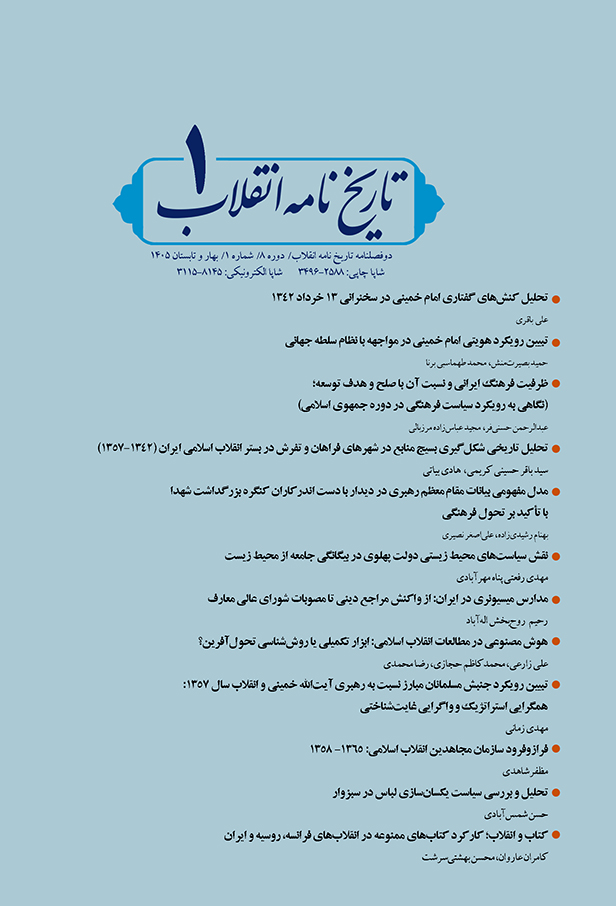
تاریخ نامه انقلاب

تاریخ نامه انقلاب

هوش مصنوعی در مطالعات انقلاب اسلامی: ابزار تکمیلی یا روش‌شناسی تحول‌آفرین؟

نوع مقاله : مقاله پژوهشی

نویسندگان
1 عضو هیات علمی گروه معارف، واحد تهران مرکزی، دانشگاه آزاد اسلامی، تهران، ایران.
2 استادیار دانشگاه فرهنگیـان تهران، دکتـرای تاریـخ انقـلاب اسلامی
3 استادیار گروه معارف اسلامی، دانشکده علوم انسانی، دانشگاه بوعلی سینا، همدان، ایران
10.22034/te.2026.562358.1284
چکیده
مطالعات انقلاب اسلامی به‌عنوان حوزه‌ای میان‌رشته‌ای، با چالش‌هایی چون حجم انبوه منابع تاریخی، تکثر روایت‌های ایدئولوژیک و پیچیدگی‌های معنایی داده‌ها مواجه است. در سال‌های اخیر، ورود هوش مصنوعی (AI) به علوم انسانی، ظرفیت‌های تازه‌ای برای تحلیل این داده‌ها فراهم کرده، اما هم‌زمان جایگاه روش‌شناختی آن در پژوهش تاریخی را به مسئله‌ای مناقشه‌برانگیز بدل ساخته است. این مقاله با رویکردی تحلیلی–انتقادی به این پرسش می‌پردازد که آیا هوش مصنوعی در مطالعات انقلاب اسلامی صرفاً ابزاری برای تسهیل و تسریع فرآیندهای پژوهشی موجود است یا می‌تواند به‌مثابه یک روش‌شناسی نوظهور با منطق معرفتی خاص خود عمل کند. روش پژوهش مبتنی بر تحلیل مفهومی و ارائه یک «مطالعه موردی نمایشی» است که در آن، منطق کاربست برخی روش‌های متداول تحلیل محاسباتی متون تاریخی بر یک پیکره محدود اما واقعی از متون مرتبط با تحول گفتمان «مستضعفین» بازسازی و به‌صورت تفسیری ارزیابی شده است. یافته‌ها نشان می‌دهد که در سطح ابزاری، هوش مصنوعی توانمند در مدیریت کلان‌داده‌ها و شناسایی الگوهای گفتمانی کلان است؛ اما در سطح روش‌شناختی، اتکای صرف به آن می‌تواند به تقلیل معنا، سوگیری الگوریتمی و بازتولید خوانش‌های هژمونیک بینجامد. در نتیجه، مقاله با طرح مفهوم «هرمنوتیک دیجیتال مسئولانه» بر ضرورت الگوی ترکیبی انسان–الگوریتم تأکید می‌کند که در آن تفسیر نهایی همچنان بر عهده مورخ انسانی باقی می‌ماند.
کلیدواژه‌ها

عنوان مقاله English

Artificial Intelligence in Islamic Revolution Studies: Complementary Tool or Transformative Methodology?

نویسندگان English

ali zaeeei 1
seed mohammadkazem hejazi 2
reza mohammadi 3
1 Faculty Member, Department of Islamic Education, Central Tehran Branch, Islamic Azad University, Tehran, Iran
2 Assistant Professor, Tehran University of Education, PhD in History of the Islamic Revolution
3 Assistant Professor, Department of Islamic Studies, Faculty of Humanities, Bu-Ali Sina University, Hamedan, Iran
چکیده English

Studies of the Islamic Revolution, as an interdisciplinary field, face challenges such as the vast volume of historical sources, the multiplicity of ideological narratives, and the semantic complexities of data. In recent years, the entry of artificial intelligence (AI) into the humanities has provided new capacities for analyzing these data, while simultaneously turning its methodological position in historical research into a contentious issue. This article, through an analytical-critical approach, addresses the question of whether artificial intelligence in studies of the Islamic Revolution is merely a tool for facilitating and accelerating existing research processes, or whether it can function as an emerging methodology with its own distinct epistemological logic. The research method is based on conceptual analysis and the presentation of a "demonstrative case study," in which the logic of applying some common computational methods of historical text analysis is reconstructed and interpretively evaluated on a limited but real corpus of texts related to the transformation of the discourse of the "oppressed." The findings indicate that at the instrumental level, artificial intelligence is capable in managing big data and identifying macro-discursive patterns; however, at the methodological level, sole reliance on it can lead to the reduction of meaning, algorithmic bias, and the reproduction of hegemonic readings. In conclusion, the article, by proposing the concept of "responsible digital hermeneutics," emphasizes the necessity of a hybrid human-algorithm model in which the final interpretation remains the responsibility of the human historian.

کلیدواژه‌ها English

Islamic Revolution studies
humanities methodology
digital historiography
computational discourse analysis
digital hermeneutics

مقالات آماده انتشار، پذیرفته شده
انتشار آنلاین از 04 اسفند 1404